How Long Does It Take a Child to Learn Spanish?
Every child’s path to Spanish fluency is unique, but research -and thousands of Dinolingo families- suggest helpful benchmarks. Below you’ll find the main variables, realistic timelines, and ways Dinolingo shortens the distance to confident conversation.
1. Hours of Quality Exposure Matter Most
Studies suggest children need roughly 600–750 hours of meaningful interaction in Spanish to hit an intermediate-high level, equal to two years in a full‑day immersion program or 30–45 minutes of rich input daily for three years.
2. Age of Onset vs. Motivation
Starting early (ages 2–5) builds native‑like pronunciation, but older beginners often progress faster at first because they can read, write, and analyze patterns. Consistency and enthusiasm outshine birthdate.
3. Learning Environment
Live conversation, interactive games, and task‑based activities accelerate progress far more than passive screen time alone. Balanced routines—songs, stories, role‑play, and repeated vocabulary in context—keep new words alive.
4. Parental Involvement & Feedback
Children whose caregivers participate in lessons, celebrate milestones, and supply corrective feedback progress up to 30 % faster than peers left to self‑study.
Typical Timelines with Daily Practice
| Daily Quality Exposure | Beginner Conversation (50–100 words) | Simple Fluency (300–500 words) |
|---|---|---|
| 15 min / day | 3–4 months | 12–18 months |
| 30 min / day | 1–2 months | 8–12 months |
| 60 min / day | <1 month | 6–9 months |
Quality exposure = interactive activities, parent‑child talk, songs with gestures, or moderated online games -not passive video bingeing.
How Dinolingo Accelerates the Journey
- Best For: Young children ages 2–14
- Languages: 50+ options—top sellers include Spanish, French, German, Italian, and English
- Platform: Web, iOS, Android
- Flexible Subscriptions: One account → up to 6 users, full access to every languageOffline Learning: Printable flashcards, worksheets, posters perfect for screen‑free daysAge‑Specific Paths:
- Pre‑readers (2–5)
- Elementary (6–10)
- Middle school (11–14)
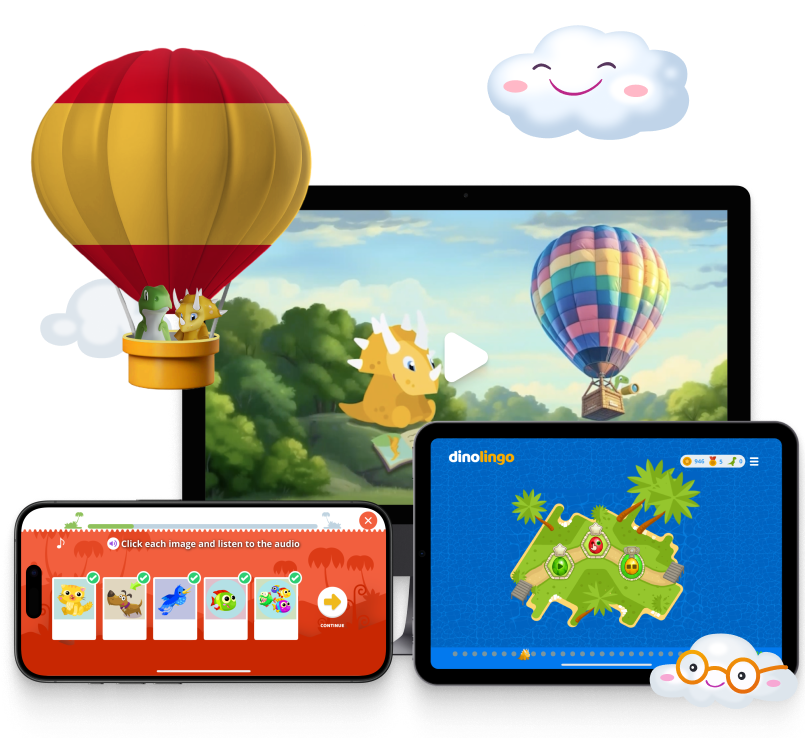
- Rich Content Library: 40 000+ animated videos, songs, interactive games, and worksheets more age‑appropriate material than any other kids’ platform
- Gamified Rewards: Surprise badges and trophies after each activity keep motivation high
- Parent Dashboard: Real‑time progress reports with detailed learning insights
Ready to map out your child’s timeline? Explore plan options on Dinolingo and set a daily streak today.
Final Thoughts
Hitting conversational Spanish can take as little as six months or stretch to several years depending on exposure, engagement, and support. By blending live interaction with Dinolingo’s gamified lessons and offline resources, families create the high‑quality input kids need to turn practice hours into genuine fluency.
Sources